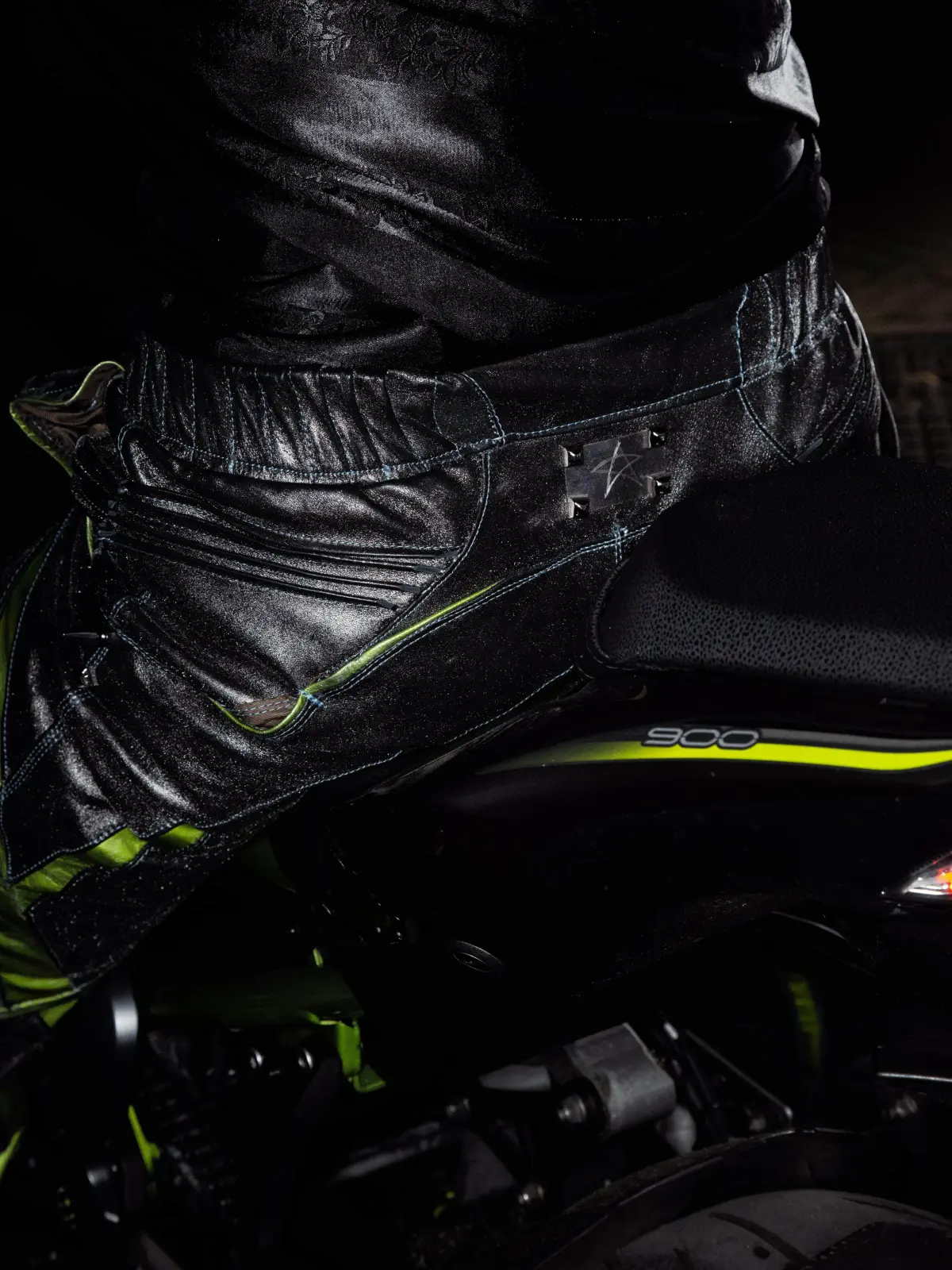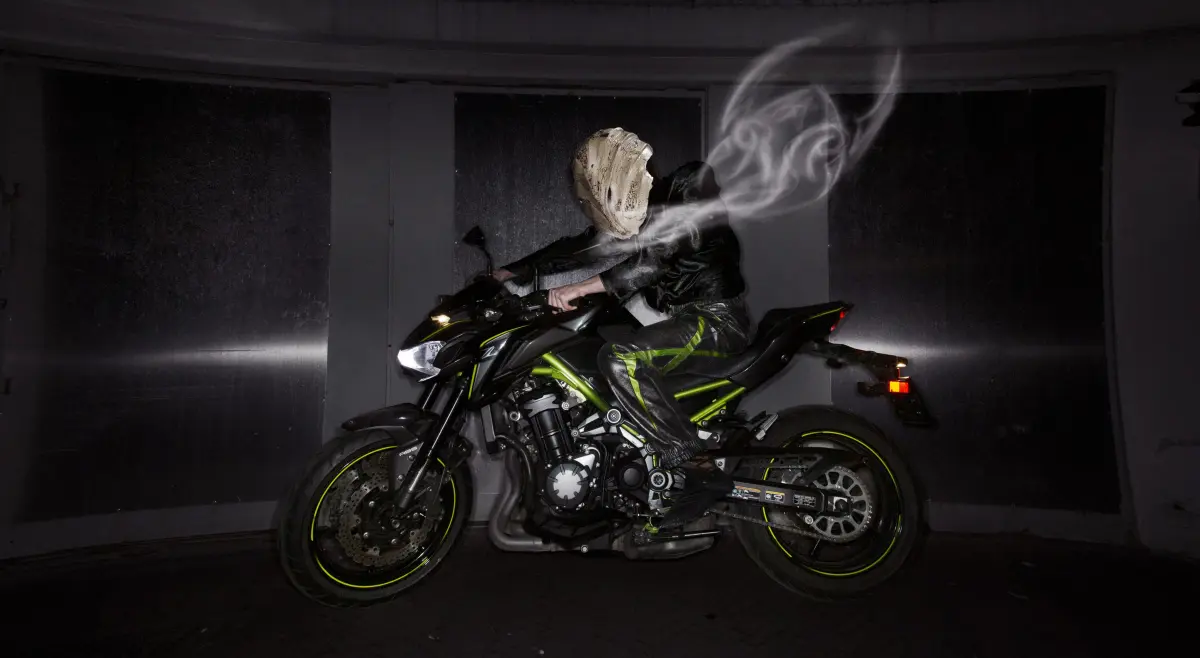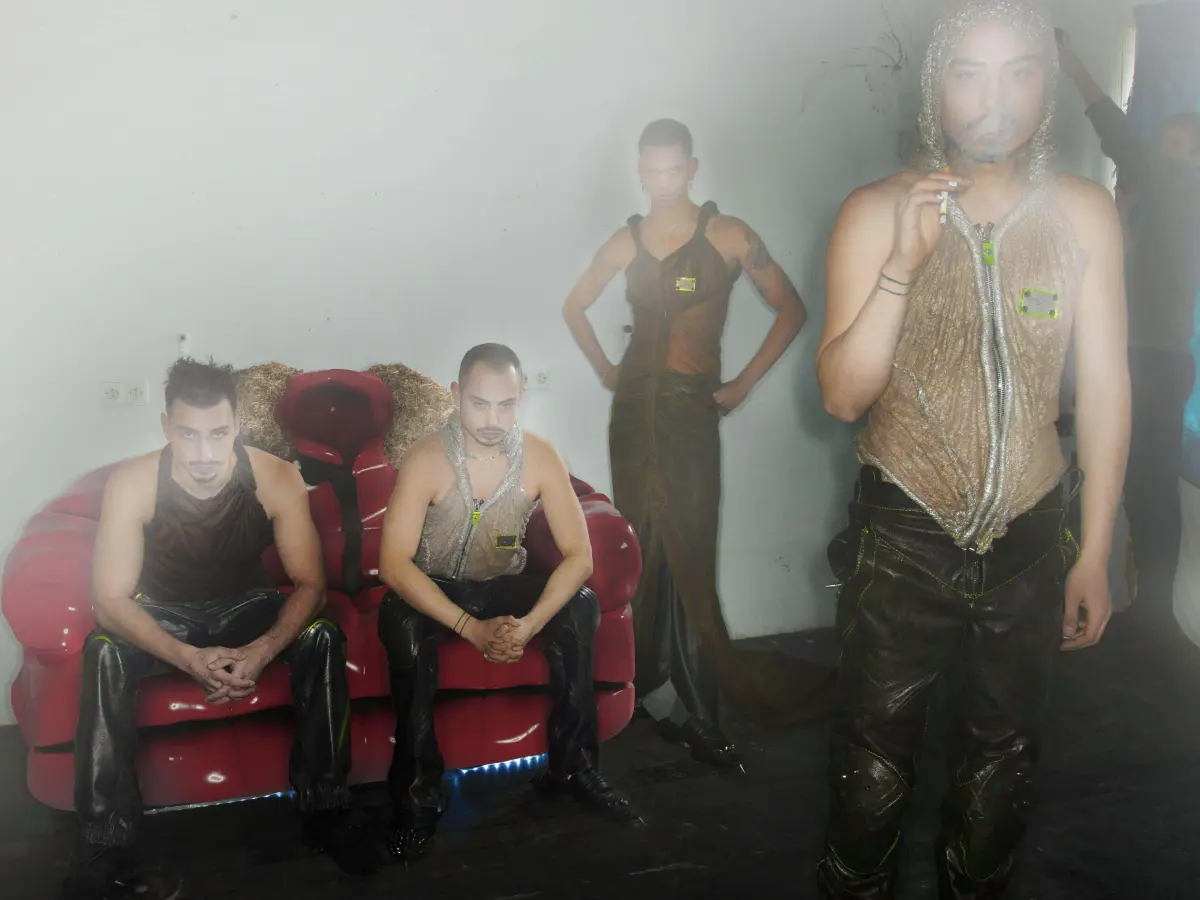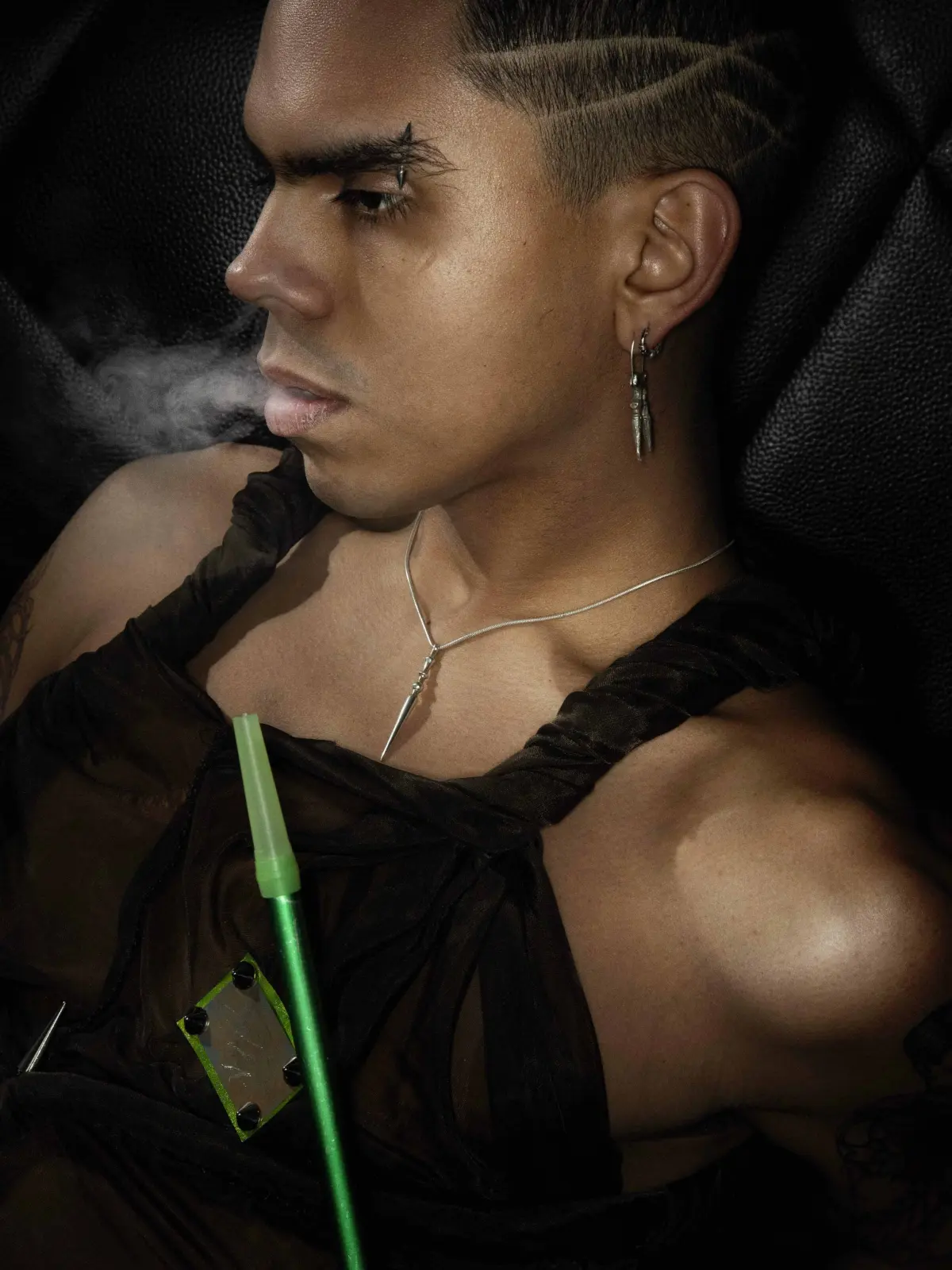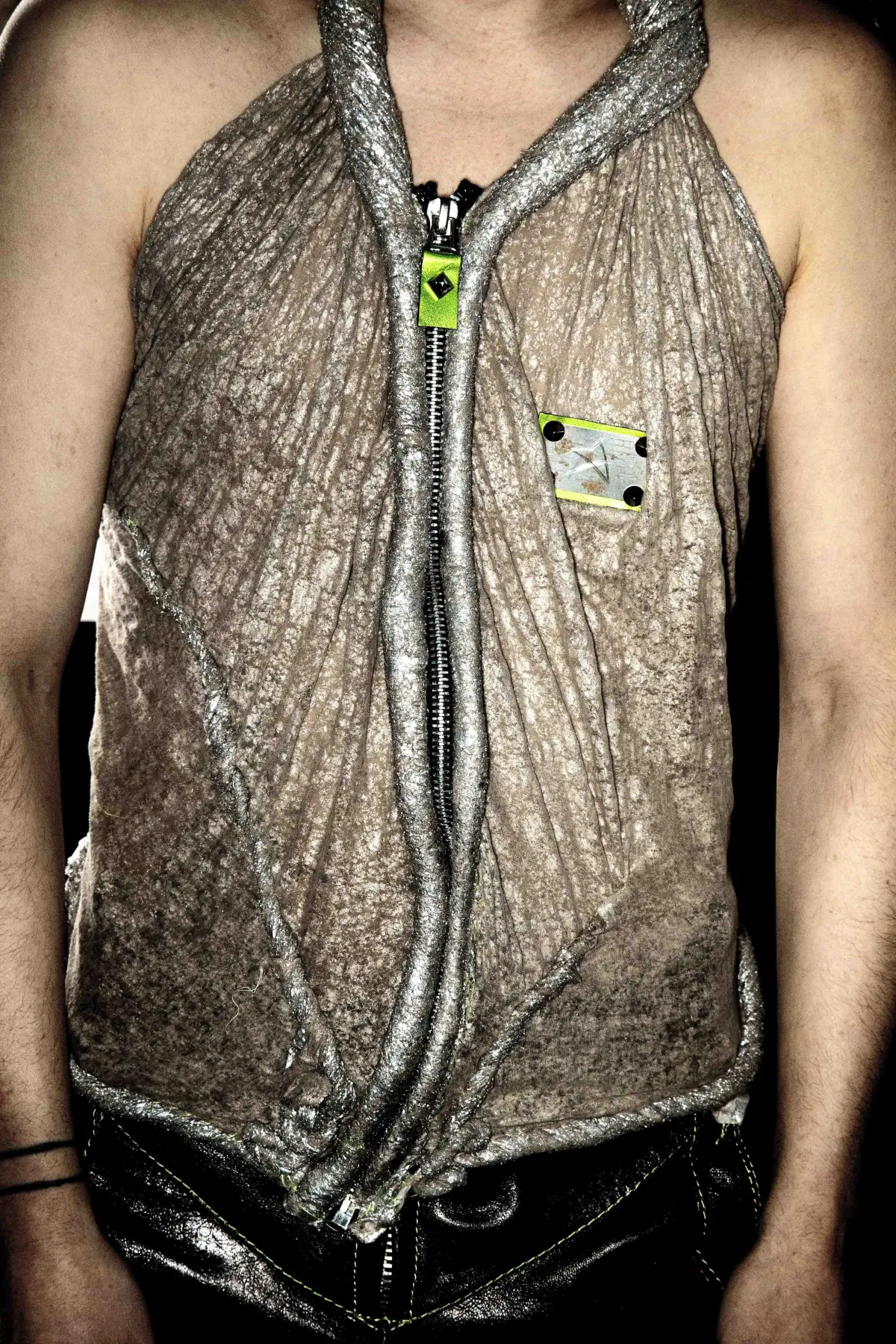
Images by RadVlAD
Models
Barros
Leo
Alex
Nelly
"-I want a Gucci cap with a fur, red Moncler jacket, my jeans to be Ds-quered2 skinny but not too skinny with some small holes in them, you know, like those pants that give you just a bit of extra spice but nothing crazy. For the t-shirt I don’t care. As long as if it is not too big or small and from Zeeman. And not to forget; shoes’ color can be a bit crazy but not too crazy like the Louboutains or the Balenciaga “Arena’s”.
Why and how does this masculine identity is being expressed through clothes and what role does it play when it comes to specific male groups? Where is this desire for owning expensive clothes coming from? And from that could we propose modern form of brands as the new symbol of iden-tity?
In this essay I will be focussing on different group dynamics, focusing on examples of masculine behaviour within groups and sources of this be-haviour. I will be talking about a group/community of men from Maroc-co which name themselves as the “tcharmilla”. I will use this group as an example of dominance within groups which we as all men experience in different ways. Besides that, I will be talking about other contemporary phenomena of how boys and men express themselves using brands as part of their identity.
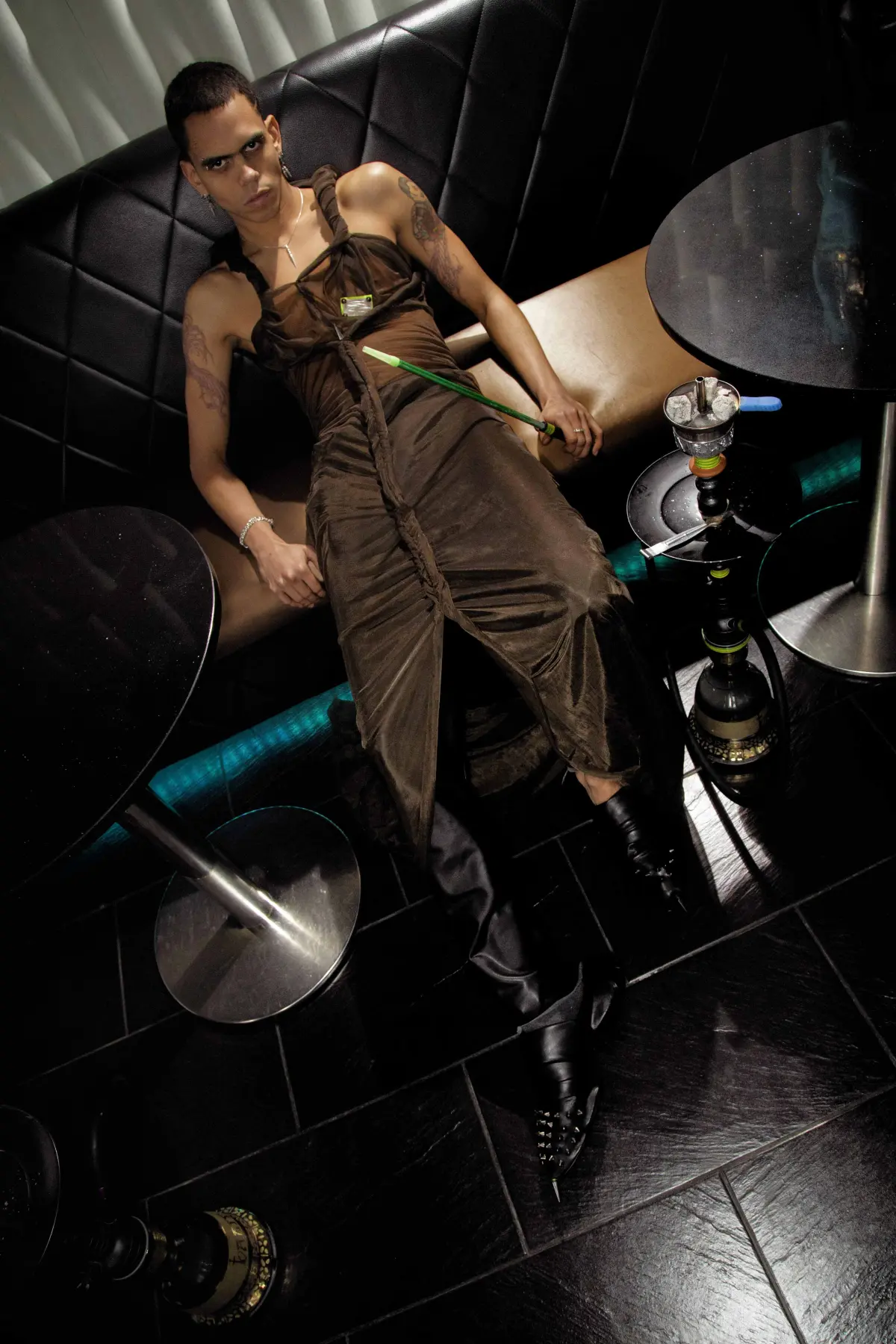
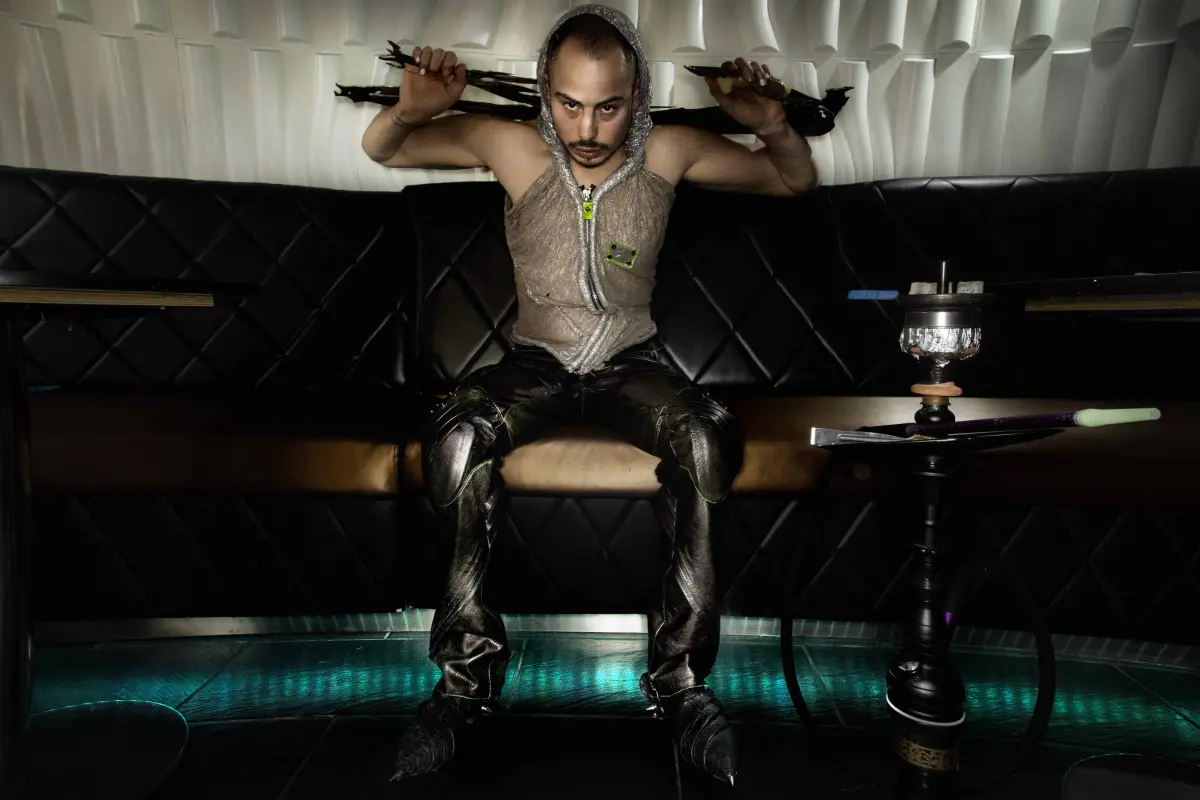
The “tcharmilla” group is a contemporary Moroccan tribe a group of Mo-roccan boys which gave themselves the name that comes from a spice marinade used for cooking meat and fish that consists of; paprika, pepper, salt, vinegar olive oil, garlic and coriander. They claim that it gives their life more “spice” than of the working groups and the youth that goes to school to educates themselves. They live up to proving the existance of their masculinity within a group which provokes reckless aggressive be-haviour, criminality, anger and the use of drugs. You can recognise them by the scars, tattoos, hairstyles (influenced by famous football players), nike air max shoes, expensive watches, scooters and boucher knives. This identity is also openly showed off in Facebook groups where they post their new bling and spread this culture of violence.
They don’t want to have a normal job like other people do, because they actually don’t feel they would be taken seriously by society. Within their groups they can talk about and exercise male dominant attitudes through materialistic products, a faux-hawk haircuts (popularised by the soccer star “Christiana Ronaldo”), or aggressive behaviour, coming from multiple aspects within Moroccan social structures which can discriminate peo-ple because of their lower income and less possibilities in making a career.
This notion is conveyed violently as well within households and schools therefore results to a lack of finding meaning in life for these people and using Islam hardcore/violent-based protocols that allow them (men) to
beat their wives."
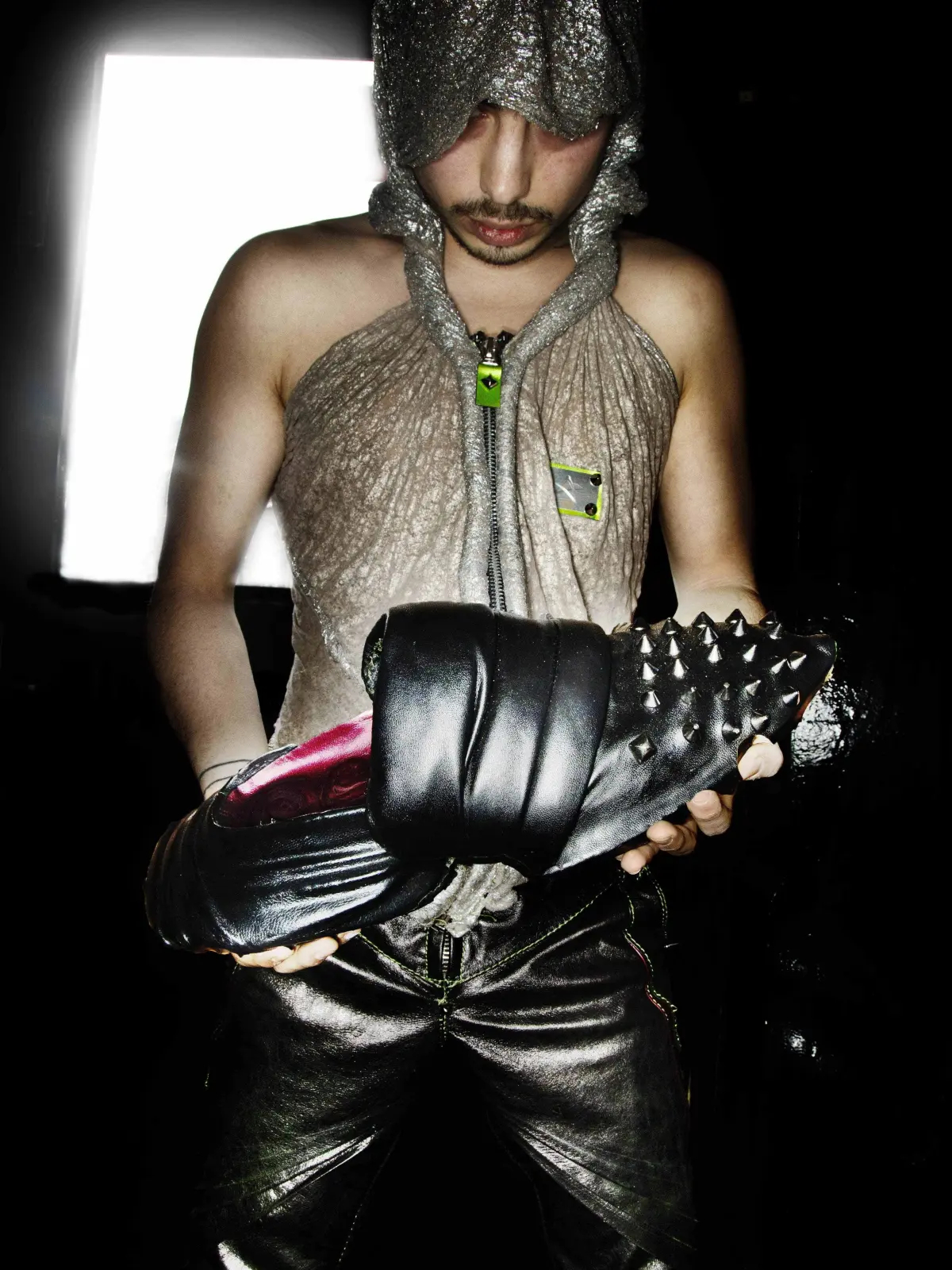
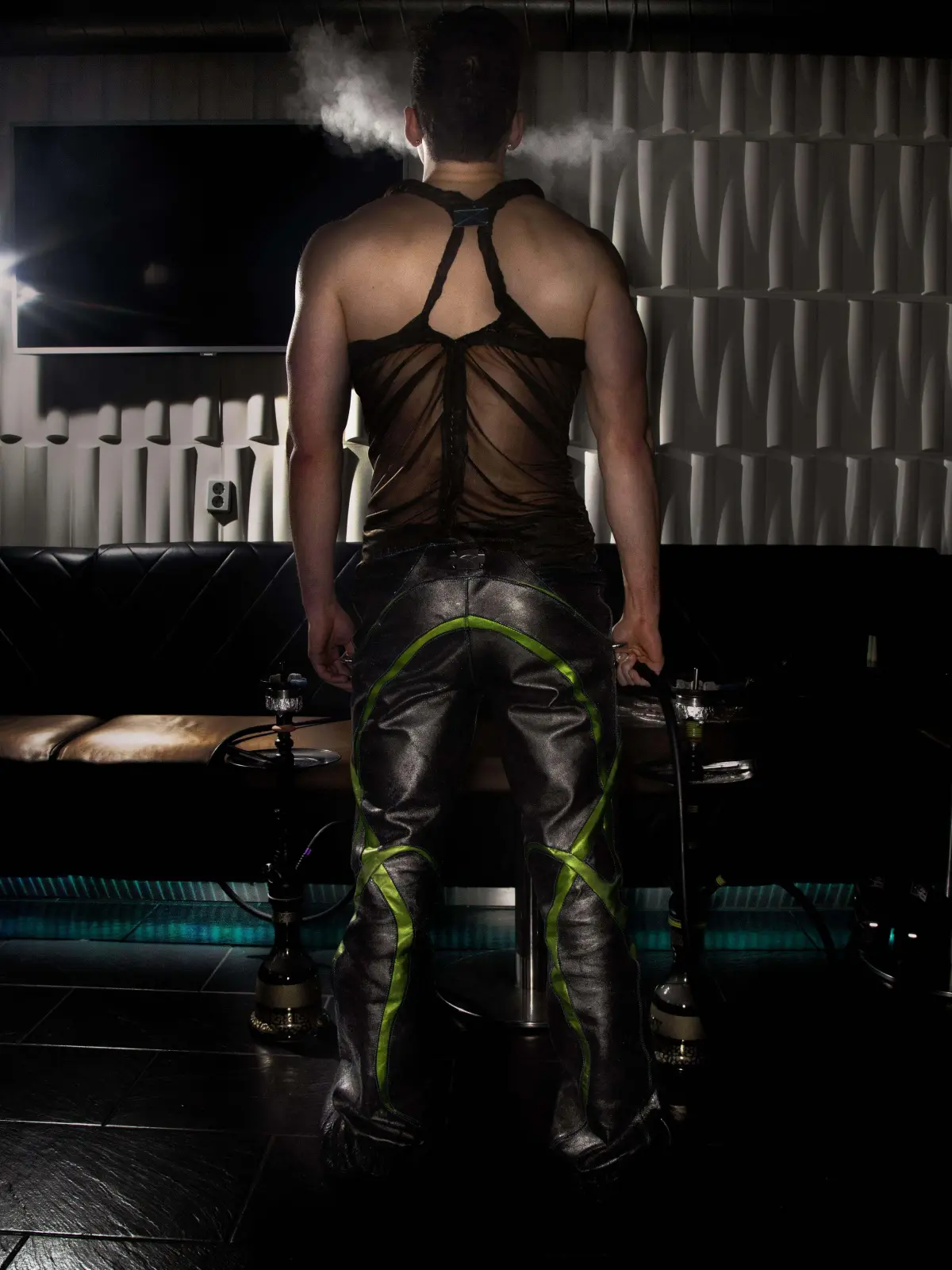
"When looking at these visual pictures I chose, the main thing that catches my attention is the way how they found the right objects/products that exactly represent their group identity. The shapes and colours of the shoes are screaming “sharpness” to me which interlink with the sharpness of the knives they will commit crimes with, and the tracksuits looking like the opposite outfit of workwear meaning; of people who have regular jobs. They don’t dress for any boss but for their community/friends. The “tcharmillas” is maybe an extreme example form of masculinity expressed in clothes, but their impact is big in Marocco. This
phenomenon is also seen and popularized in other countries mainly within macho groups and it is more common to see them wearing luxury brands like; “Nike”, “Louis Vuitton”, etc, as a symbol of their status. Power struc-tures within these groups make men want to fit in their group, wanting to be seen as strong, fearless and successful depending on the aspiration and values of that group.
The boys of the groups are mostly scared of being seen as coward, re-ferred as “Subordinated masculinity” which is different than “matta” (the ultimate form of masculinity) and discouraged fully by society. This is visible in boys who are all having the same haircut with a fade shave that symbolizes your wealth, that you are able to go to the barber salon be-cause the fade grows out in every 2/3 weeks so you could go back and even get a new one. Showing off they are able to go to the hair salon, have branded clothes and watches, a scooter and an aggressive behav-iour is the only way they can reach the average power and respect level of their others.
They live up constantly showing off their masculinity towards each other like; who is the strongest, who has the deepest scars, who has the least fear, who has the most expensive stuff, who commits the worst crimes. This is how somebody could exactly describe the activity of “Charmila”.
Hegemonic masculinity; the culturally dominant form of masculinity which provides the greatest level and range of benefits demonstrating high lev-els of adherence. Also, described as “macho” almost invulnerable.
The pain coming from men is often being exposed or compensated with expressing aggression or buying expensive clothes because within this “man-box” it’s alike to show feelings as you will be labelled as coward. You always have to look strong, sharp and that you have a mission. “Mythes” men are trapped by traumas and emotion that can’t communicate about and their only way to address them is aggression and show off.
Clothes can be symbols for status are a reoccurring thing if you want to talk about how masculinity is expressed in clothes which you can also describe as “matta”; a slang of expressing materialistic status. This phe-nomenon is often being joked about, like for instance people yelling: “Look at this mattaboy with his triple-S Balenciagas like to clearly say that the brands are taking over someone’s identity, like if this brand is his religion
and the product is raising his existance to a higher status.” Brands and “matta” products, within dutch society consist of brands like; Louis Vuit-ton, Moncler, Lacoste, Gucci, Dolce & Gabanna, Balenciaga, Nike, Adidas,
Fendi, Prada, Givenchy, Armani and others."
"“...Mijn lifestyle zo expensive, boy ik ben en maga Ik pull up in de forty, ik trek alle aandacht
Wil mijn bitch fully designer, Louis, Fendi, Prada Kicks tot over de enkel like Ba-Balenciaga Balenciaga, Balenciaga
Wil mijn bitch fully designer, Louis, Fendi, Prada Balenciaga, Balenciaga
Kicks tot over de enkel like Ba-Balenciaga...”~Sevn Alias, Balenciaga
Sevn Alias is a Surinam rapper that grew up in Amsterdam west, amongst Maroccan youth and this comes visible in his music as well where he talks about relevant topics within the culture street.
On the other hand, some believe that being able to recognize the brand easily, limits the focus on the individual. When everyone wears the same brands, it makes it difficult to be distinguished. This could also create a vice-versus thing of a group and divide it between those who wear cer-tain brands and those who don’t.
The word ‘brand’ originally was referred to a mark burned into animal hide to denote ownership. These days, brands are visual symbols that we associate with certain products or services. In modern times, the word ‘brand’ meant a description of a person’s identity. This is due to the in-creasing use of personal brands to represent the wearer’s identity. Each person has a unique identity, and a brand can represent that identity in many different ways.
Materialism is the preoccupation with obtaining wealth and possessions. It is a prominent feature of modern society, particularly in Western cul-tures. Materialism can have a negative impact on society when it becomes a preoccupation. People can become less satisfied with their lives and less
empathetic to others when they focus on materialism.
In conclusion based on the research I did on different groups of men and their position in society, from what I observed around me in Maroc-co and the Netherlands I would like to say; that me as a boy growing up with personal struggles described and trying to find my place within male groups. I found out that Logo’s aren’t really the only thing that matters if you talk about having/ showing a strong identity within your surround-
ings. The keys to having this so- called strong identity within groups is obviously depending on the group you find yourself in and can only be obtained by knowing who you are and what your position is within made
up power structures, based on the norms and values of this “group”."